“I think I need a mold test!”
That’s how a lot of conversations start at U.P. Home Inspection. And often, it leads to a mold inspection appointment.
But not always. In fact, there are times we talk people out of getting a mold test altogether.
Sound strange? It’s not, once you understand what mold testing is—and what it isn’t.
In this updated guide, we’ll walk you through:
- The difference between mold inspection and mold testing
- Four tell-tale signs of mold in your home
- When testing is unnecessary
- Three situations where a professional mold test makes sense
- Why particulates testing may be worth considering
Let’s clear the air—literally and figuratively.
4 Signs You Have Mold In Your Home

Mold thrives in damp, humid environments—something the Upper Peninsula is no stranger to. Here are common signs you may have mold in your home:
1. You Can See It
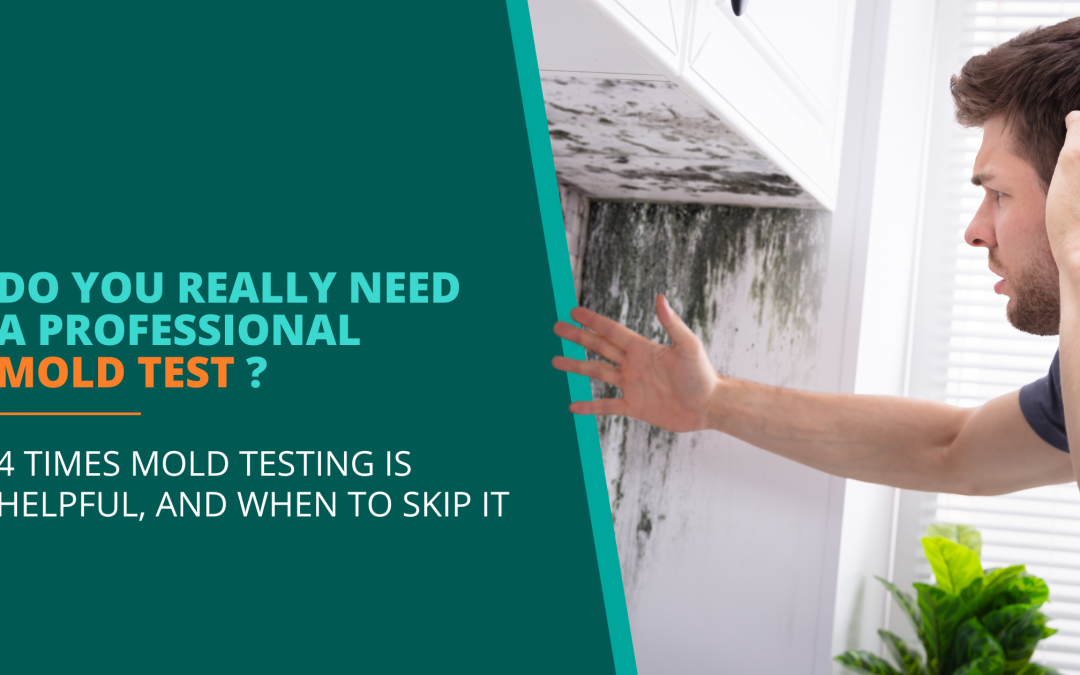
Visible mold is all the confirmation you need. Whether it’s black spots on the ceiling or fuzzy growth in the basement, if you can see it, it’s there.
Note: Some materials (like dirt or even food splatter) can look like mold. A mold inspection can help you determine the difference before going further.
2. You Can Smell It
That musty, earthy odor? Classic mold. If your nose says something’s off, trust it.
3. You’ve Had Moisture Issues
Have you dealt with leaks, basement flooding, poor ventilation, or even high humidity? These can all set the stage for mold—sometimes in areas far from the original water source.
4. You Feel Sick (But Don’t Know Why)
Frequent respiratory symptoms, fatigue, brain fog, skin irritation, or chronic sinus issues with no clear cause? Mold exposure might be the missing piece.
Mold Inspection vs. Mold Testing: What’s the Difference?
These terms are often used interchangeably, but they mean different things:
- Mold inspection is a visual and physical assessment of your home for evidence of moisture damage or microbial growth. We look for stains, leaks, odors, water damage, and hidden risks using tools like infrared cameras and moisture meters.
- Mold testing involves collecting air or surface samples to determine the type and concentration of mold spores present. These are analyzed by an accredited lab.
Which do you need?
If you suspect mold but can already see or smell it, inspection is often enough. But if you’re looking for data, or need evidence for health or legal reasons, testing may be appropriate.
Most importantly, a professional mold test is the way to go if you think you may have hidden mold in your home. You might be surprised how often we find elevated spore counts in homes with no visible mold. Many don’t even have musty odors. The mold is hiding in walls or under floors, and can still affect your health and/or eat away at the structure of your home.
At U.P. Home Inspection, we are an independent third party. We perform inspections and testing, but we don’t offer remediation. That means you get unbiased results with no pressure to purchase cleanup services.
What Is Particulates Testing (And Do You Need It)?
Mold spores aren’t the only indoor air quality concern in the Upper Peninsula. We’re increasingly performing particulates testing to help homeowners understand what else might be floating in their air.
This test identifies:
- Mold spores
- Fiberglass insulation particles
- Dust and skin dander
- Combustion byproducts (from wood stoves or gas appliances)
- Biological debris like insect parts
Why does this matter?
If your home feels stuffy, if someone is sick, or if you just want peace of mind about your indoor air quality, particulates testing provides a broader picture than mold sampling alone.
It’s especially helpful in older homes (hello, Ishpeming and Negaunee!) where aging materials may be degrading.
4 Situations When A Professional Mold Test Makes Sense

In some situations, scheduling a mold test is absolutely the best way to go. These include:
1. Unexplained health problems.
If a person in your household is experiencing health issues such as chronic fatigue or headaches and you haven’t found a cause, it’s reasonable to suspect mold. A professional mold test will tell you exactly what types of mold and how much may be present in your indoor air. This data can help inform treatment—and next steps.
2. Legal or insurance purposes.
We’ve worked with tenants needing proof of mold to break a lease, and homeowners involved in insurance claims or disputes. It happens. If you need proof of mold infestation for legal or insurance reasons, the results from a professional mold test provide documented, third party evidence.
3. Real estate transactions.
Buying or selling a home in Escanaba, Marquette, Negaunee, or anywhere in the U.P.? If you suspect water damage or detect a musty odor, add a mold test to your inspection. This protects buyers and gives sellers confidence that their home is market-ready.
4. After mold remediation.
Have you recently cleaned mold from your home, or hired a professional mold remediation company to do it for you? A professional mold test “after the fact” provides reliable evidence that the problem was resolved.
When You Don’t Need A Professional Mold Test
Here’s the truth: not everyone needs mold testing.
That’s because a professional mold test won’t remove mold. It only tells you:
- If mold is present
- What types of mold are present, and
- The relative concentration of mold spores in the air or on surfaces
Most of the time, all you need to know is whether you really do have mold growing in your home, so you can either get rid of it or look for another source of the problem. Even the EPA states that “if visible mold is present, sampling is unnecessary.” If you can already see it growing, or there’s a strong smell of mold in your home, there’s your answer!
A mold test is just for diagnostics, so you know if and how you have to take action to get rid of it. It won’t get rid of the mold for you.
As professional mold inspectors, all we can ethically do is mold inspection. If we offered mold remediation services that would be a conflict of interest! If you need help with cleanup, your best next step is to call a mold remediation company that specializes in mold removal.
On the other hand, sometimes you just want to know what you’re dealing with before you decide on next steps. If you know you have mold but aren’t sure of the extent of the problem, you may just want to know the exact species and level of infestation present. If you really want to know this, we’re happy to do a professional mold test for you.
And if you’d really like peace of mind, have us follow up any mold remediation you do with a professional mold test. That way, you can breathe easy knowing your efforts were successful.
Serving Michigan’s Central Upper Peninsula
U.P. Home Inspection proudly provides independent mold inspections and testing across Marquette, Alger, Delta, and Schoolcraft counties—including:
- Escanaba, Gladstone, and Manistique
- Marquette, Negaunee, and Ishpeming
- Munising, Chatham, and beyond
Whether you live in a 19th-century heritage home, a log home in the woods, or a 1980s ranch house “out in the township”, we know the local building stock—and the moisture challenges that come with it.
The Bottom Line: When in Doubt, Ask
We’ll always give you an honest answer. Sometimes that means recommending a full inspection with lab-certified testing. Other times, it means telling you how to address small issues yourself—or referring you to a trusted remediation expert.
Still not sure what you need?
We’re happy to talk it through.
📞 Call us at 906-360-3879
📅 Schedule a mold inspection or test online
💬 Or contact us here for a no-pressure consultation
You don’t need to live with uncertainty about mold. Let’s get you some answers.

Rich Beasley leads U.P. Home Inspection, LLC as a Certified Master Inspector® with deep roots in Upper Peninsula construction needs. In 2025, Rich earned the prestigious CMI® designation from the Master Inspector Certification Board, reflecting our team’s dedication to experience, education, and the highest industry standards.
Editor’s note: This post was originally published on May 17, 2022. It has been updated for clarity, local relevance, and expanded coverage of mold inspection vs. testing, as well as particulates testing.
Get Your FREE Mold Prevention Guide
Worried about mold in your U.P. home? Our comprehensive guide “Spotting Mold in Your Home: A Practical Guide for U.P. Homeowners” gives you everything you need to protect your family and property.
Inside you’ll discover:
- Where mold hides in Upper Peninsula homes
- How to spot early warning signs before problems spread
- Simple prevention steps that cost pennies vs. thousands in cleanup
- When to call professionals (and when you can handle it yourself)
Created by Rich Beasley, Certified Master Inspector®, this guide is packed with local expertise you won’t find anywhere else.
Download Your Free Guide Here (no email required)→
Serving Marquette, Escanaba, Munising, Negaunee, and communities throughout the central and western U.P.