
Moving to the U.P. is a dream for many, but buying a home here isn’t like buying a home downstate. Whether you are trading a Chicago commute for the trails of Marquette or finding peace in Escanaba, before making that leap, it pays to understand how different our properties and conditions can be.
As a Certified Master Inspector® (CMI®) with over 15 years in construction, I’ve seen what happens when “transplant” expectations meet a Yooper winter. This checklist will help you buy with confidence. Here’s your Upper Peninsula relocation inspection checklist to help you buy with confidence.
1. What makes a home “winter-ready” in the Upper Peninsula?
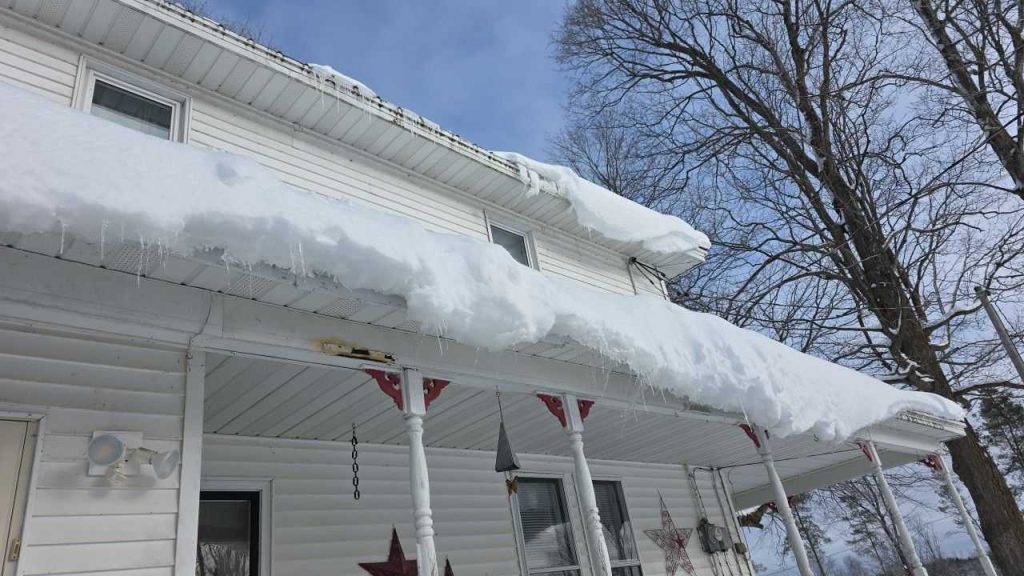
If you’re moving here from a milder climate, winter‑readiness is key. In the U.P., a roof isn’t just a cover; it is a structural system designed for lake-effect snow.
- Roof pitch and snow load: Roofs here must support heavy snow and encourage shedding to prevent ice dams.
- Insulation and ventilation: Proper attic airflow keeps ice dams at bay and protects your heating budget.
- Frost‑line foundations: Our frost depth often exceeds five feet. Foundations must be deep enough to prevent “heaving” – this includes garages and outbuildings as well as your home.
For a deeper dive, check out our article on Upper Peninsula Properties & Snow.
2. Are well and septic systems different in the 906?
NOTE: U.P. Home Inspection does not offer septic inspections. This information is being provided as a courtesy only. If you need a septic inspection we recommend contacting a septic service company in your area.
Many U.P. homes—especially in rural areas like Rapid River or Ishpeming Township—depend on private well and septic systems.
- Access: Ask the seller for the age and location of the septic tank and drain field, and whether there’s year‑round access for pumping. We do require that septic lids be uncovered before we inspect. If the seller doesn’t have a clue where to find it and there are three feet of snow on the ground, you may have to wait until spring to know the condition of your tank and field.
- Check for drainage issues: Standing water or odors often signal trouble.
- Request water testing: It’s always a good idea to make sure your well water is safe to drink.
Septic systems can cost thousands to repair, so a full inspection up front saves major headaches later. For peace of mind, we recommend that out-of-town buyers consider adding professional water and septic testing as well as mold sampling—essential for homes that stay buttoned up tight all winter.
3. How do I choose the right heating and fuel source for my U.P. property?
Our winters are long, so efficient heating is non‑negotiable.
- Know Your Fuel: Ask what the primary heat source is—propane, fuel oil, wood, or electric – as well as average heating bills throughout the year. You may want to consider adding a backup heat source such as a generator or wood stove, especially if you are looking at a rural home.
- Check tank placement and delivery access: Snowbanks can block refills if not planned for.
- Inspect chimney and flue systems: Creosote buildup is common with frequent wood use. We always recommend that you have your chimney cleaned by a licensed chimney sweep after purchase, or negotiate for the seller to do it before closing.
Energy efficiency upgrades like programmable thermostats, sealed ductwork, and updated insulation add comfort and long‑term savings.
4. Where is all that snow going to go?
When a couple from Vermont called us to inspect an off‑grid cabin outside Marquette last month, they figured they knew their way around snow. After all, they’d lived through Vermont winters for years. But they were taken aback when we explained that lake‑effect snow in their part of the Upper Peninsula can more than triple what they were used to. That’s just one of the surprises homebuyers encounter when they relocate to Michigan’s U.P.
“Where will the snow go?” is one of the first questions every U.P. homeowner should ask. If you’re shopping in summer, it’s hard to visualize how much space a winter’s worth of snow takes up. In town, some properties have limited room to pile it, causing blocked driveways or reduced visibility.
- Snow Storage: Discuss snow placement with your inspector or realtor. A seasoned agent has likely seen how properties handle winter conditions.
- The Slippery Slope: Consider driveway and access road slopes. Steep routes can become impassable without regular maintenance.
- Plow Access: After a heavy snowfall, county plows may not service off-the-beaten-track properties for hours or even days (if at all). Are you willing and able to either hunker down and wait or come up with your own snow clearing solutions?
- The Melt: Check drainage paths. Spring melt should move away from the home, not toward the basement.
A seasoned Upper Peninsula realtor can be a great help in thinking these things through. We also often talk our buyers through it. For more on snow planning, visit our Snow Removal Tips from a Marquette Home Inspector.
5. What should I know before buying an off-grid or rural property in the Upper Peninsula of Michigan?
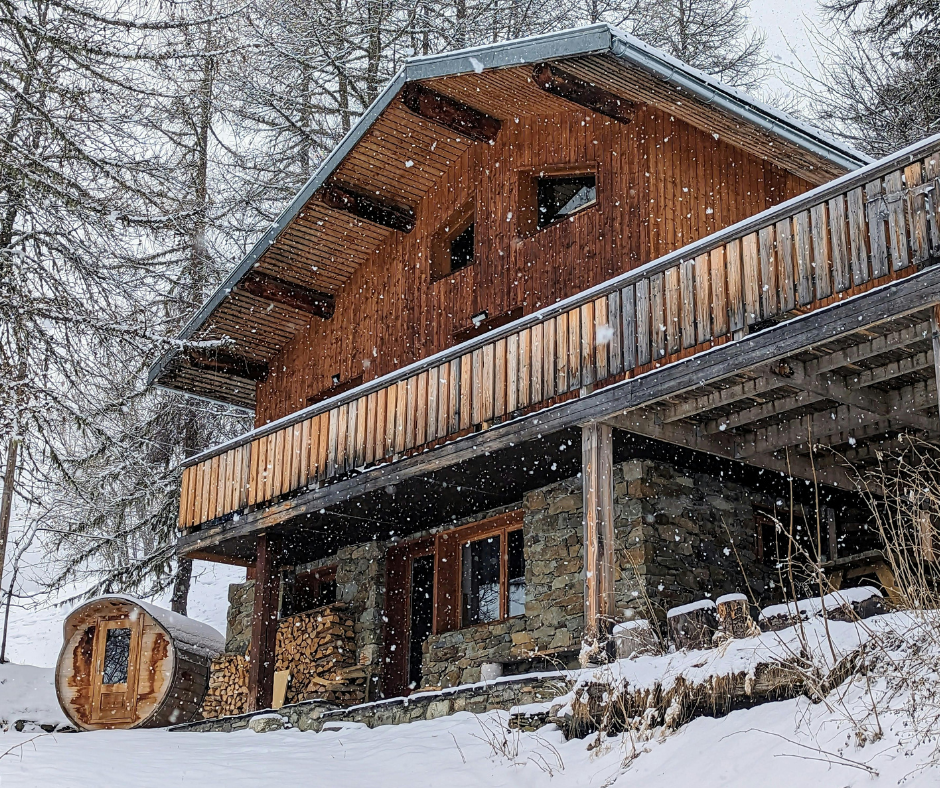
Rural life offers quiet and beauty—but also more responsibility.
- Backup power: Generators or solar arrays may be essential for long‑term reliability.
- Plow Access: In deeper snow zones, private roads can require frequent plowing or even winter parking at the main road. After a heavy snowfall, even some public roads may not be serviced for hours or even days (if at all). Are you willing and able to either hunker down and wait or come up with your own snow-clearing solutions?
- Maintenance: Systems often depend on homeowner upkeep; budget accordingly.
When we inspected that Vermont couple’s cabin, they loved the independence of off‑grid living—but quickly learned that remote driveways and streamfront property can complicate winter access.
6. Can I work remotely from a rural U.P. home?
Many of our transplant buyers work remotely. If remote work is part of your plan, connectivity deserves its own line item on your relocation checklist.
Even though coverage keeps improving across the U.P., “dead zones” still exist—especially when you venture outside of Marquette, Negaunee, and Escanaba city limits.
If you’re exploring rural properties, you’ll want to do your due diligence:
- Local Intel: We recommend hopping on some of the local Facebook groups and/or asking neighbors which internet providers actually perform well.
- Professional Needs: If your job depends on video conferencing or data-heavy uploads, mention that in your inquiry. Certain U.P. internet providers work fine for casual use but may not meet your standards if you rely on your connection for your bread and butter. Locals are great at sharing candid experiences.
- Verify Coverage: Check cellular maps, but verify with a physical site visit—tower coverage can change dramatically within half a mile.
In town, most neighborhoods have stable fiber or cable service. Out in the woods, a hotspot or satellite backup can make all the difference.
7. Why do local building standards and climate knowledge matter?
Building expectations in the U.P. differ from other areas of the country – even downstate Michigan.
- Frost‑line depth and foundation type matter for long‑term stability.
- Roofs and trusses must be engineered to handle our heavy snow loads.
- Moisture management is essential year‑round, from summer humidity to spring meltwater.
Hiring local professionals familiar with Upper Peninsula soil types, wind exposure, and historical snowfall will help ensure that your home is built for conditions in the Yoop. For more insight, see Upper Peninsula Home Inspection Issues.
8. Why should I hire a Certified Master Inspector® (CMI®) to inspect my Upper Peninsula property?
Not all inspections are created equal. A Certified Master Inspector® has completed thousands of inspections, adheres to recognized professional guidelines such as InterNACHI® Standard of Practice, is subject to periodic criminal background checks, and abides by the inspection industry’s toughest Code of Ethics.
- Local Knowledge: We understand U.P. soil, wind exposure, and the specific toll our winters take on a structure.
- Advanced Tools: From drone roof inspections to indoor air quality testing, we use the right tech to find what’s hidden.
Quick Reference: Upper Peninsula Inspection Checklist for Out-of-Area Buyers
| Category | Key Questions |
|---|---|
| Roof & Insulation | Rated for heavy snow? Proper attic ventilation? |
| Foundation | Built below frost line? Any signs of heaving? |
| Well & Septic | When were they last tested or serviced? |
| Heating System | Fuel type? Efficient and safely vented? |
| Snow Management | Where will snow be stored or plowed? Easy driveway access? |
| Connectivity | Reliable internet and cell signal for remote work? |
| Power Backup | Generator or alternate energy sources? |
Relocating to the U.P. is more than a move—it’s a lifestyle shift. The reward? Four seasons of beauty and small‑town community that’s hard to match anywhere else.
This inspection checklist will give you a head start on understanding the unique needs of U.P. properties, so you can find the best home for your lifestyle. Partnering with a local home inspector ensures your new adventure starts with confidence, not surprises.
Buying a Home in Michigan’s Upper Peninsula?
Schedule your relocation‑focused inspection with U.P. Home Inspection, LLC. We proudly serve Marquette, Escanaba, Gwinn, Negaunee, Ishpeming, and beyond. We’ve proided hundreds of out-of-area buyers with the information they need to make smart U.P. real estate decisions. We look forward to helping you as well!
📞 Call (906) 360‑3879 or book online at uphomeinspection.com.