The best questions to ask your home inspector come before you hire one. Here’s the good news: you can answer almost all of them online. It takes about ten minutes, and you never have to make a call. That homework matters more than you might think, because Michigan doesn’t license home inspectors. The vetting falls to you, the buyer.
A qualified inspector’s website, credentials, and Google reviews will tell you most of what you need to know. In this guide, we’ll show you what to look for. We’ll also give you a checklist you can take to any home inspector’s website, whether ours or someone else’s.
Summary: The most important questions to ask your home inspector come before you hire — and you can answer nearly all of them online in about ten minutes. Confirm the inspector’s certifications (InterNACHI, ideally a Certified Master Inspector®), look for real construction experience, and check that they don’t have hidden conflicts of interest: inspectors who also sell repairs, or mold testing companies that also sell remediation, have a financial reason to find more problems. Review their technology (digital reports, drones, thermal imaging), read their Google reviews for detail, and use the free checklist below to vet any Upper Peninsula home inspector’s website (or ones in another state if you ever move away) before you ever pick up the phone.
What Certifications Should a Home Inspector Have?
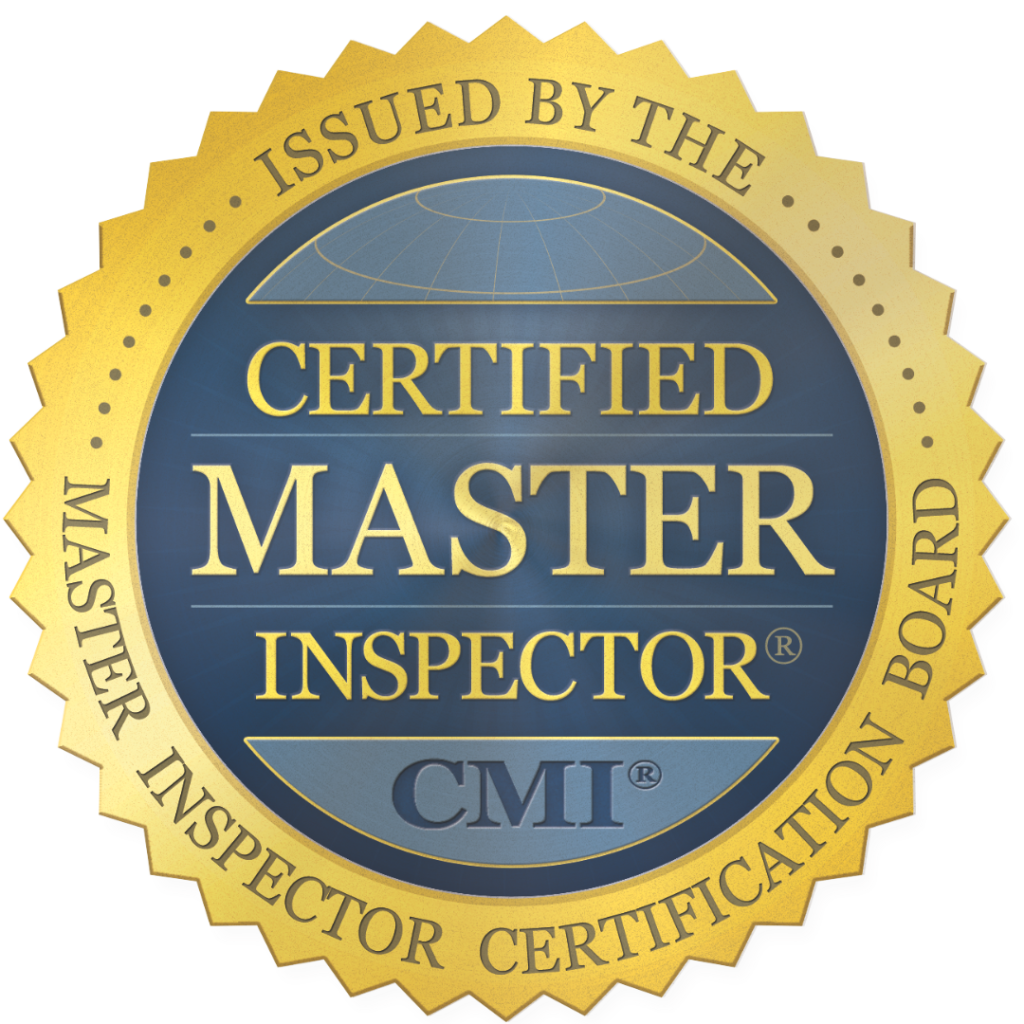
Look for certification through a nationally recognized home inspection trade association. InterNACHI, the International Association of Certified Home Inspectors, is the largest and most widely recognized. ASHI, the American Society of Home Inspectors, is also highly rated. In addition, the industry’s highest designation is Certified Master Inspector® (CMI®). These should be listed right on the inspector’s website, and can be verified through the certifying organizations. Every inspector on our team is InterNACHI certified, and our founder, Rich Beasley, holds the CMI® designation.
For a full breakdown of these and other home inspector credentials — plus the other big questions in picking an inspector — see our guide on how to choose a home inspector in the Upper Peninsula.
What Construction and Real Estate Experience Do They Have?
Certification teaches the standards. Experience teaches what buildings actually do. That matters everywhere. It matters even more in the Upper Peninsula, where an inspector might see a century-old miner’s home in Negaunee, a log cabin outside Munising, and a lakefront cottage near Manistique in the same week or even the same day. Deep frost, heavy snow, and freeze-thaw cycles are hard on homes. An inspector who came up in the trades reads those stress marks differently.
An inspector’s About or Team page should tell you where they came from. Our founder spent more than 15 years in home construction, excavation, septic systems, and water well drilling. That was all before he ever wrote an inspection report. That history shows up in every crawl space we enter.
Does the Inspector Also Do Repairs?
This is one of the biggest conflicts of interest in our industry, and most buyers never think to ask. An inspector who also sells repair work has a financial reason to find problems. Worse, they may steer you toward a contractor who returns the favor. That’s exactly why InterNACHI’s Code of Ethics restricts inspectors from doing repair work on homes they inspect.
Our answer is simple: we inspect, and we don’t repair. Ever. Our only job is to tell you the truth about the home. No repair quote waiting behind the report, no contractor handshake behind the scenes.
Who Does the Mold Testing — and Who Does the Remediation?
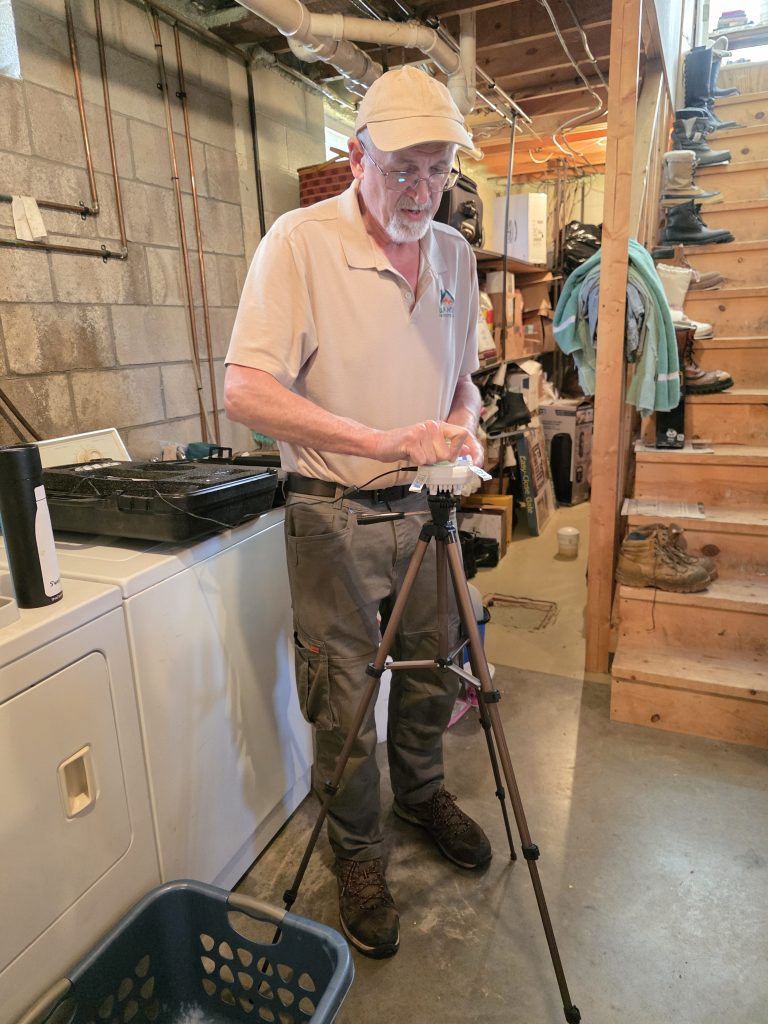
Same conflict, higher stakes. If the same company tests your home for mold and sells the cleanup, they earn more when they find more. That doesn’t make every combined company dishonest. But it creates pressure you can’t see. You deserve results that stand on their own.
We provide mold and indoor air quality testing across the U.P., and we never sell remediation. You get independent lab results, not a sales pitch. If remediation is needed, you’ll know it’s because the data says so.
One more conflict worth your attention: whether an inspector’s business depends on real estate agent referrals. We cover that — including whether to use the inspector your agent recommends — in our guide to choosing a home inspector.
What Technology Do They Use?
Plenty of inspectors still type their reports in a word processor and email you a wall of text. Technology is worth checking. It changes what an inspection can find — and how useful the report is later.
- Digital reports. Ours are fully searchable and include hundreds of photos, links to how-to videos, and other resources. They arrive through an online portal you can share with your realtor, your lender, or your family. No digging through email attachments.
- Drones. Some roofs are too steep, icy, or fragile to walk safely. We fly a drone on about 80% of our inspections, at no extra charge, under an FAA Part 107 license.
- Thermal imaging. Infrared cameras reveal heat loss, hidden moisture, and electrical hot spots the eye can’t see.
- Robotic crawlers. Tight crawl spaces and other inaccessible areas don’t have to go unseen. Crawlers go where people can’t safely fit.
An inspector’s website should describe their tools. It should also explain what the report includes and how you’ll receive it. If the website doesn’t say, that’s an answer too.
What Should Google Reviews Tell You?
Star count is a start. Detail is better. Look for reviews that mention specifics: findings explained clearly, questions answered patiently, reports delivered on time. One or two glowing reviews are easy to collect. A long pattern of detailed five-star reviews is not. We’re proud of our 131 (and counting) five-star Google reviews, and we’d genuinely encourage you to read them — that’s exactly the homework we’re talking about.
The Checklist: 10 Questions to Ask Your Home Inspector’s Website
Take this list to any inspector’s website. If you can check most of these boxes, you’ve done more homework than most buyers. And you did it without a single phone call.
- Certifications are listed and verifiable through the certifying organization
- A construction or trades background is described
- The site explains what the report includes and how you’ll receive it
- Inspection technology is described (drone, thermal imaging, crawlers)
- No repair services are offered — inspections only
- Mold or air quality testing is separate from remediation
- Errors and omissions (E&O) insurance is mentioned
- Google reviews are recent, detailed, and consistent
- Services and service area are clearly described
- A blog or social media presence shows they educate, not just advertise
Ten minutes with this list will tell you more than an hour on the phone.
What About Questions to Ask Your Home Inspector During and After the Inspection?
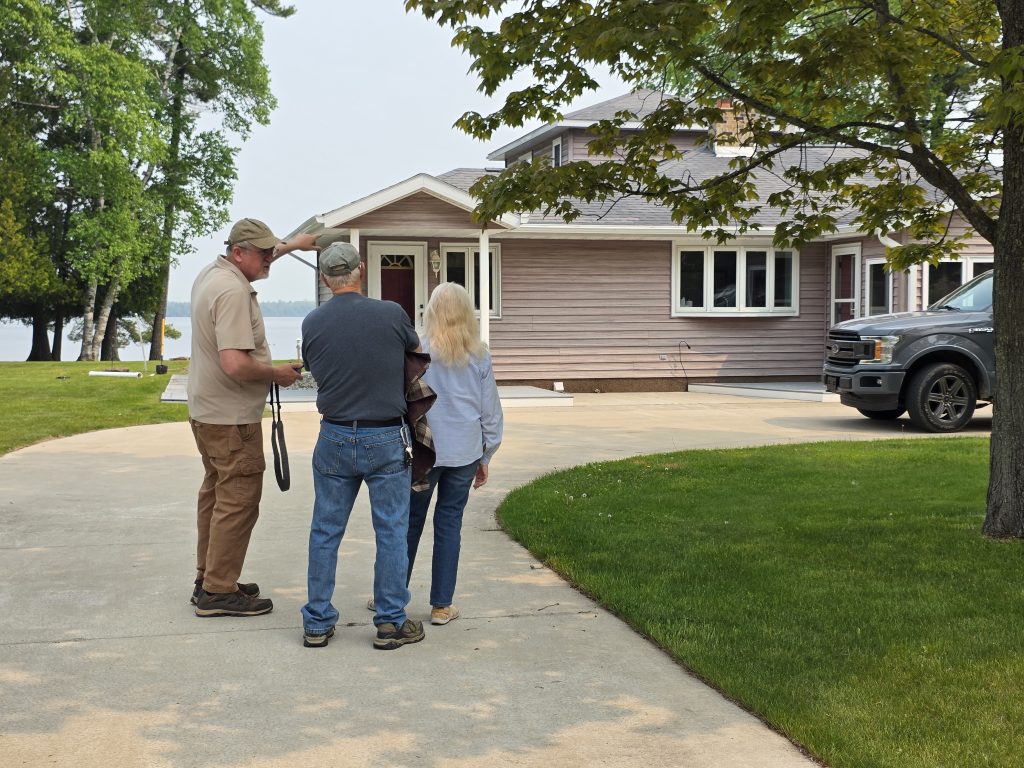
Save your questions for inspection day. That’s when they count most, and a good inspector welcomes them. Ask about anything you see. Ask what’s normal wear and what’s worth watching. You should walk away understanding your home better, not just holding a report.
Two more things worth knowing before you book:
- First, does the inspector offer a follow-up consultation after you’ve read the report?
- Second, is client education clearly a priority?
Look for an active blog and social media presence that answer questions before you even ask. That shows you how they’ll treat you as a client.
Do Your Homework, Then Book with Confidence
Everything on this checklist is answered somewhere on our website, and that’s by design. Many of our clients across Marquette, Escanaba, Gwinn, and the rest of the Upper Peninsula hire us before we’ve ever spoken. The homework was already done for them.
Take a look around. Read the reviews. And when you’re ready, schedule your inspection or call us at (906) 360-3879.

U.P. Home Inspection, LLC is the Upper Peninsula of Michigan’s most trusted home inspection company. Our team is led by Certified Master Inspector® Rich Beasley — the industry’s highest professional designation, earned through thousands of inspections and a demonstrated commitment to excellence. Every member of our team is InterNACHI certified and brings real U.P. construction knowledge to every inspection we perform.