Back to Healthy Homes for Healthy Humans
If you look across the Upper Peninsula’s landscape, you’ll notice chimneys dotting the skyline of nearly every neighborhood. From historic homes to modern builds, chimneys remain a common feature in our region – and for good reason. Many Yoopers still rely on wood-burning stoves for heat, while others enjoy their fireplaces seasonally or during special occasions.
As a home inspector serving the Upper Peninsula, I’m often asked about chimney inspections. The answer isn’t what most people expect. In this article, we will take a look at why you might need a chimney inspection, the difference between a home inspection and a chimney inspection, and the best course of action for you if you have a chimney you would like to have evaluated.
Why You Should Consider a Chimney Inspection in the Upper Peninsula
The prevalence of chimneys, and especially chimneys that get regular use, presents a unique challenge for Upper Peninsula homeowners and landlords. Why? Chimneys are among the heaviest and most structurally vulnerable of all exterior components of a building. Accidents caused by their collapse can cause serious injury or death, and/or costly structural damage to the building and its surroundings.
Inspection and proper maintenance are critical safeguards against chimney collapse. Our harsh U.P. climate can create unique challenges that require specialized evaluation.
The Impact of Freeze-Thaw Cycles On U.P. Chimneys
The Upper Peninsula’s frequent freeze-thaw cycles put tremendous stress on chimney structures. When water infiltrates small cracks in mortar or brickwork, it expands as it freezes, gradually widening these gaps. Over multiple cycles, this can lead to significant deterioration of the chimney’s structure, potentially compromising its integrity and safety.
How Snow and Ice Can Damage Your Chimney
Heavy accumulations of snow and ice, common in U.P. winters, can place substantial weight on chimney structures. This additional load, combined with potential existing weaknesses, may affect the chimney’s structural stability over time. Professional inspection can identify early signs of stress before they become serious problems.
Moisture-Related Chimney Deterioration
Our region’s significant precipitation, both rain and snow, can lead to persistent moisture issues in chimney systems. Without proper maintenance and waterproofing, this moisture can penetrate the masonry, leading to spalling bricks, deteriorating mortar, and potential interior damage to the home.
Wildlife and Blockage Concerns
Birds, squirrels, and other wildlife often view chimneys as attractive nesting sites. These nests, along with accumulated debris, can create dangerous blockages in the chimney system. A professional chimney sweep can identify and remove these obstructions before they create safety hazards.
Creosote Accumulation
Regular use of wood-burning fireplaces or stoves leads to creosote buildup inside the chimney. This highly flammable substance requires professional removal to prevent chimney fires and ensure proper ventilation.
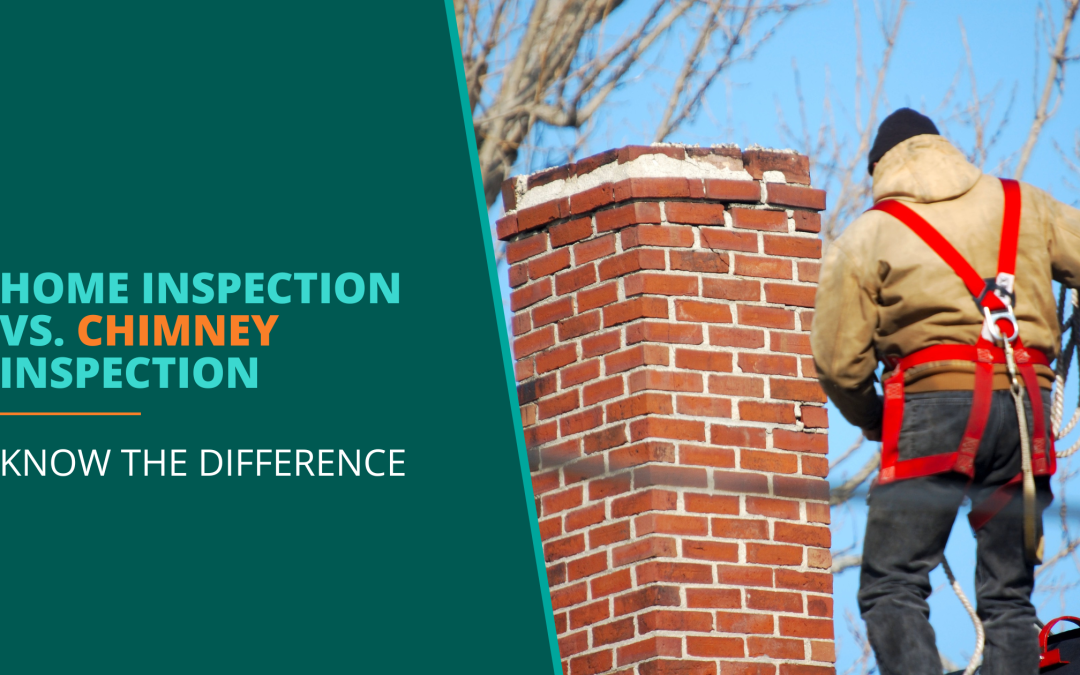
Chimney Inspection Vs. Home Inspection
It’s important to understand that while chimneys are included in a home inspection, the scope is limited to a visual examination of readily accessible portions.

During a standard home inspection, we follow the InterNACHI Home Inspection Standards of Practice. These require us to examine the visible portions of chimneys and fireplaces, identify potential structural issues or damage, verify proper clearances and basic safety components, and note any visible deterioration or concerning conditions. However, inspecting and evaluating the interior of chimneys and flues is beyond the scope of a standard home inspection.
Professional Chimney Inspection Recommendations
As stated above, a home inspection is not a substitute for a professional chimney inspection.
The National Fire Protection Association recommends annual chimney inspections by a qualified professional as follows: “Chimneys, fireplaces, and vents shall be inspected at least once a year for soundness, freedom from deposits, and correct clearances. Cleaning, maintenance, and repairs shall be done if necessary.”
A state-licensed chimney sweep offers comprehensive services that go well beyond a basic home inspection. They provide thorough interior chimney inspections, professional cleaning services, detailed condition assessments, and certification of serviceability. These specialists can also perform necessary repairs to ensure your chimney functions safely and efficiently.
Making the Right Choice for Chimney Safety
While our home inspections can identify visible issues that may affect your chimney’s performance or safety, we want to be clear that we do not certify chimneys as safe or serviceable. That level of evaluation requires the expertise of a qualified chimney professional.
If you have specific concerns about your chimney’s condition or are planning to use a fireplace or wood-burning stove, we strongly recommend contacting a licensed chimney sweep. And because damaged and blocked chimneys present so many hazards, you should always have your chimney inspected by a licensed chimney inspector before using a fireplace for the first time.
Stay Informed About Home Safety
Looking for more home maintenance and safety tips? Follow us on Facebook for regular updates and information about chimney inspection requirements, maintenance schedules, and other important home safety topics.