
Updated July 2026.
Since we started U.P. Home Inspection, LLC in 2019, buyers across the Upper Peninsula have asked us the same question: “Did the house pass the inspection?” It’s a fair thing to wonder. But a home inspection report doesn’t work that way.
There is no passing grade and no failing grade. An inspection is not a test the house takes. It’s a careful look at the home as it stood on the day we inspected it. Our job is to document what we found clearly and honestly. Then you get to decide what it means for you.
Let’s walk through what your report tells you, what to do with the findings, and how it keeps helping you long after you get the keys.
Summary: No. A house can’t pass or fail a home inspection. Your home inspection report is a detailed, non-graded snapshot of a home’s condition at the time of inspection. It covers the structure, safety, and major systems, so you and your real estate agent can make an informed decision. Here’s how to read yours and what to do with it.
Understanding Your Home Inspection Report
Think of your inspection report like a check-up at the doctor’s. The doctor doesn’t tell you to buy or skip your own body. They tell you what’s healthy, what needs attention, and what to keep an eye on. Your report does the same thing for a house.
A good report is thorough. It walks through the roof, foundation, electrical, plumbing, heating, and more. It notes what’s in good shape and what isn’t. And it backs up findings with clear photos, so you can see exactly what we saw.
Rich Beasley, our lead inspector, is the most qualified inspector in our region, with over 2,000 inspections and years of construction experience behind him, as well as dozens of specialized certifications. That experience shows up in the report. You get plain language, real detail, and no filler.

How Your Report Reveals Structural Concerns
The structural elements of the home are a big deal. These are the findings that shape your whole decision.
Your report flags things like foundation cracks, water intrusion, roof wear, and framing that isn’t doing its job. We note what we observed, where we observed it, and how serious it looked at the time of inspection. Each concern is documented with photos, so nothing is left to guesswork.
Structural findings aren’t always deal-enders. Some are simple fixes. Some are worth a closer look from a specialist. The report gives you the facts so you know which is which.
How Your Home Inspection Report Brings Health & Safety Concerns to Light
Some problems don’t threaten the house. They threaten the people in it.
Protecting your family’s wellbeing starts with understanding potential health and safety risks in your home. Older U.P. homes, in towns like Marquette, Escanaba, and Munising sometimes carry hidden issues that newer construction doesn’t. But even new construction can have safety issues. That’s exactly why a detailed inspection matters here.
Our comprehensive inspection process identifies and documents all safety concerns that could affect occupants:
- Electrical systems and potential fire hazards
- Plumbing systems and water quality concerns
- HVAC systems and ventilation
- Potential environmental hazards
- Safety features like smoke detectors and handrails
- Signs of water intrusion or mold growth
At U.P. Home Inspection, we place safety as the highest priority. when we write your home inspection report. Your report calls out safety concerns like faulty wiring, gas worries, poor ventilation, and moisture that can lead to mold. If we spot signs of moisture or suspect mold, you’ll find it in your home inspection report. If needed, mold testing can confirm what’s going on and guide your next step.
What Are the Most Common Issues Found on U.P. Home Inspection Reports?
Some findings show up again and again in homes across the Upper Peninsula. Here’s what we see most.
Outdated electrical. This is near the top of the list. We regularly find aging or undersized panels, cloth-covered wiring, ungrounded outlets, and knob-and-tube wiring in older homes. We also find a lot of DIY electrical work that simply wasn’t done right in the first place. None of it means a house is a lost cause. It just means the report needs to be clear, and a licensed electrician should take a look. Our guide to GFCI protection covers one common piece of this.
Deck deferred maintenance. On nearly every home that has a deck, we find upkeep that’s fallen behind. Think rot where the deck meets the house, loose fasteners, weathered boards, and railings that have worked loose over time. Small stuff adds up. Our Yooper’s guide to deck maintenance walks through how to stay ahead of it.
Aging foundations and plumbing. Many older U.P. homes sit on sandstone or fieldstone foundations, which need a trained eye. We also see galvanized plumbing supply pipes nearing the end of their life in homes of a certain age.
Ice dam and roof damage. Heavy lake-effect snow is hard on roofs. Ice dams, worn shingles, and flashing problems are common findings up here. Catching them early can prevent a lot of damage and keep expenses to a minimum.
Understanding Cosmetic Issues
While our inspection reports primarily focus on structural and safety concerns, we may note cosmetic issues when they could indicate underlying problems. For example, peeling paint might suggest moisture problems, and uneven flooring could point to structural issues. However, purely aesthetic concerns like outdated fixtures or worn carpeting are not included in InterNACHI’s Home Inspection Standards of Practice and may not appear in the report unless they present safety concerns. That said, if you would like us to detail cosmetic issues, too, just let us know. We are happy to oblige!
What Should You Do When Your Report Reveals Problems?
Here’s where we defer to your agent.
Your inspection report helps identify which issues might be deal-breakers for your specific situation. Major structural problems, serious safety hazards, or extensive water damage might lead you to reconsider the purchase entirely, while minor repairs might simply inform your final negotiation strategy.

Our role is to inspect the home and document its condition clearly and accurately. We report what we observed at the time of inspection. We don’t advise on price, offers, or negotiation strategy. Those decisions belong with you and your real estate agent, who knows your local market and the details of your contract.
That said, a good report gives you and your realtor a solid foundation to work from. As you read through it together, these are useful questions to bring to him or her:
- Is this something to ask the seller to repair?
- Is this a walk-away issue for me?
- Is this something I can live with and budget for later?
- Is this something to simply keep an eye on over time?
Your agent can take it from there. The clearer the report, the easier that conversation is.
Planning Home Improvements with Your Report
Your report doesn’t stop being useful the day you close. It’s a roadmap for the years ahead. A thorough home inspection report serves as a comprehensive planning tool that can guide your home improvement decisions for years to come.
Use it to tackle any safety items first. Then let it guide your maintenance calendar, so small things stay small. It also helps you budget for bigger projects and gives you solid documentation when you talk to contractors or your insurance company. Smart homeowners in Delta County, Marquette County, and across the U.P. keep their report handy long after move-in day.

Here are a few ways you can use your home inspection report once the keys to your home are in your pocket:
Identify Immediate Safety Priorities
Your home inspection report helps identify which improvements need immediate attention for safety reasons. These might include electrical hazards, structural concerns, or water intrusion issues that could lead to more serious problems if not addressed promptly.
Long-Term Maintenance Planning and Budgeting
The inspection report serves as a blueprint for creating a comprehensive maintenance schedule. Understanding the full scope of needed repairs and maintenance helps you develop a realistic home improvement budget. When you know the age and condition of major systems and components, you can plan for future replacements and upgrades before they become emergency situations.
Insurance Documentation
Your inspection report provides valuable documentation of your home’s condition at a specific point in time. This documentation can prove invaluable when filing insurance claims or demonstrating that damage occurred after your purchase of the property.
Working with Contractors
When hiring contractors for repairs or improvements, your inspection report serves as a valuable reference tool. The detailed descriptions and high-quality photos help you communicate exactly what needs to be addressed, ensuring you receive accurate quotes and appropriate repairs.
The U.P. Home Inspection Difference
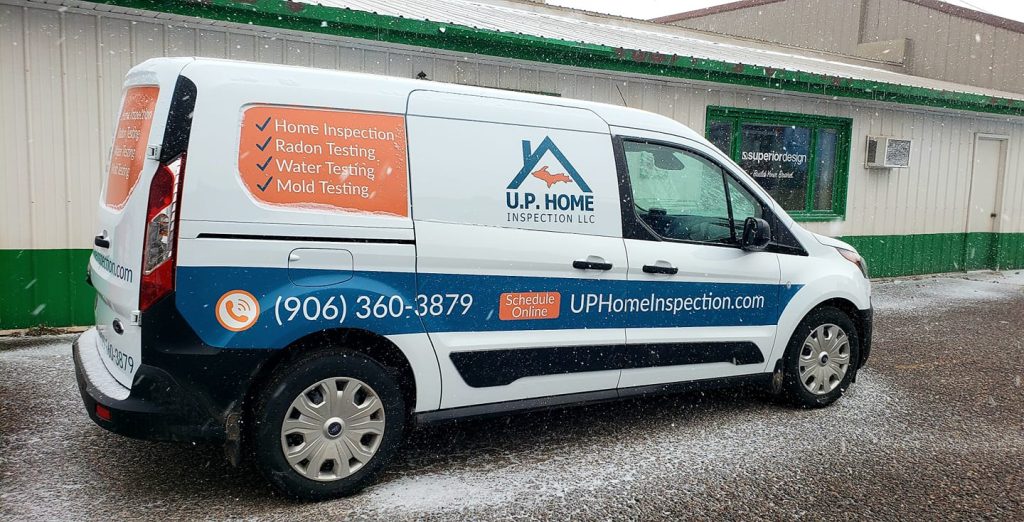
A report is only as good as the inspectors behind it. Ours are thorough, photo-documented, and written in plain language you can actually use. We inspect every home the same way, whether it’s a new build in Gwinn or a century-old farmhouse in Rapid River.
As the Upper Peninsula’s leading home inspection company, we distinguish ourselves through our commitment to providing the most detailed and useful inspection reports in the region.
- Dozens to hundreds of high-resolution, expandable photos
- Detailed explanations of all identified issues
- Links to additional information and resources
- Clear summaries of major concerns
- Fully searchable, digital report so you can easily refer back to specific items of concern
That’s the standard Rich has set over 2,000-plus inspections, and it’s the standard behind every report we deliver.
Frequently Asked Questions
Can a house fail a home inspection?
No. An inspection has no pass or fail grade. Your report describes the home’s condition at the time of inspection so you and your agent can decide what to do with that information.
How do I read my home inspection report?
Start with the safety and structural findings, since those matter most. Cosmetic notes come next. Every finding is backed by photos, and we’re always glad to walk you through anything that isn’t clear.
What should I do if my inspection report finds major problems?
Bring it to your real estate agent. They’ll help you weigh repair requests and your options based on your contract and the local market. Our job is to give you a clear, accurate report to work from.
Does the inspector tell me whether to buy the house?
No. That call is yours, made with your agent. We give you the facts about the home’s condition. We don’t advise on the purchase itself.
How long is a home inspection report good for?
A report reflects the home’s condition on the day of inspection. It’s most accurate right after we complete it, since conditions in a home can change over time.
Do you inspect older homes differently?
We inspect every home to the same thorough standard, and unlike many home inspection companies, we don’t charge extra for older homes. Older U.P. homes do tend to have more issues though, so experience with local housing stock makes a real difference in the report you get.
Ready to Schedule Your Home Inspection?
A clear, detailed home inspection report puts you in control of one of the biggest decisions you’ll ever make. That’s what we deliver on every job, across all 15 counties of the Upper Peninsula.
Schedule your inspection today, or call us at (906) 360-3879. Have a home in mind? Let’s take a good look at it together.